




WHAT ARE STRIPPERS?
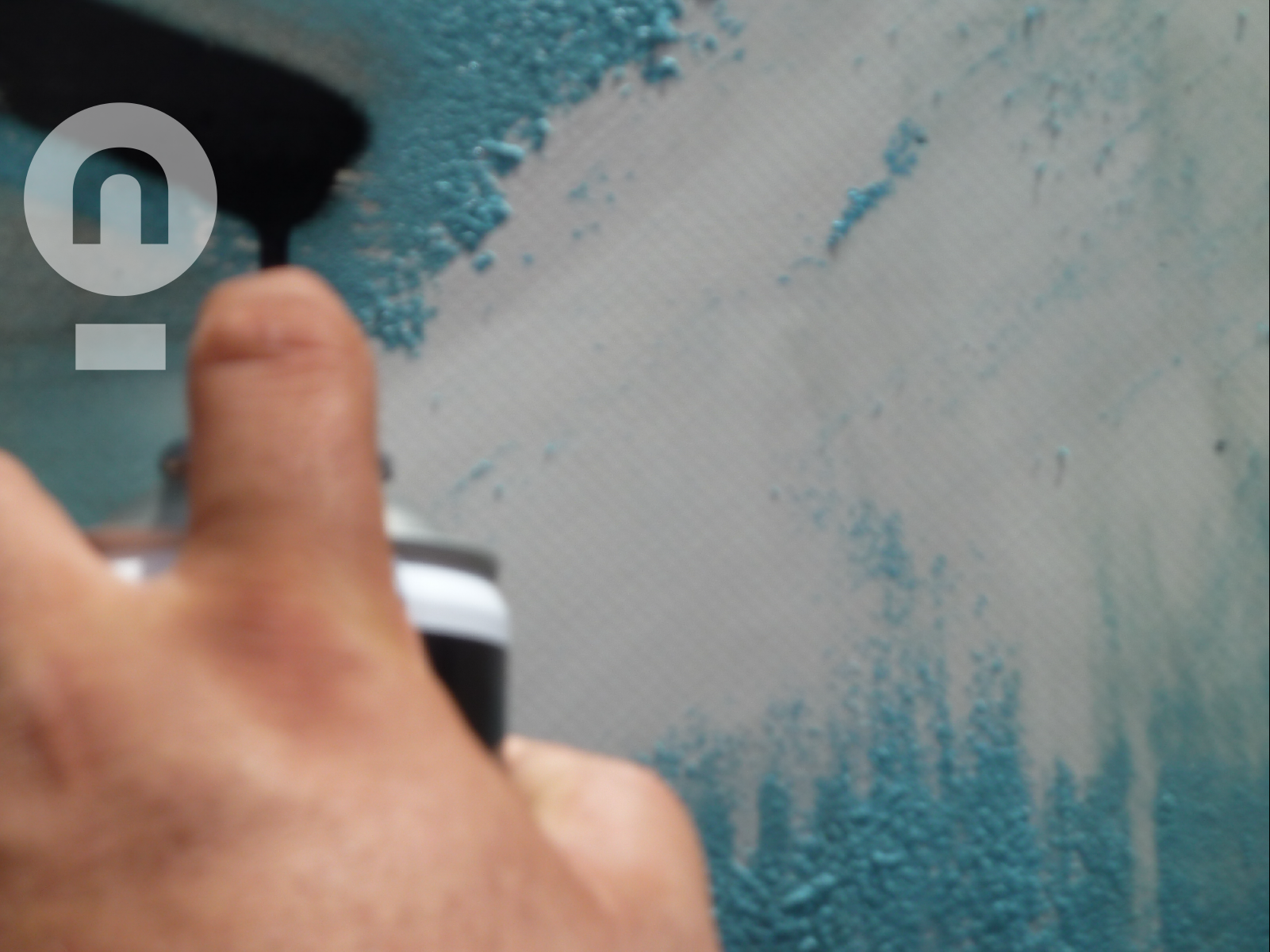
Strippers are chemical products designed to soften and remove layers of coating adhered to a surface, facilitating their subsequent removal.Their use offers numerous advantages, such as saving time and effort compared to purely mechanical methods like sanding or scraping, as well as minimizing the risk of damaging the underlying substrate.The effectiveness of a stripper lies in its formulation, which combines different types of solvents and active agents capable of penetrating and breaking the chemical bonds of paints and varnishes.However, not all strippers are the same. The choice of the right stripper will fundamentally depend on the type of coating to be removed and the nature of the substrate.
TYPES OF STRIPPERS:
1-Chemical Strippers:

Based on the action of solvents and chemical agents, these strippers soften and remove coating layers. They come in various formulations to suit different types of paints and substrates:
– Alkaline Strippers: Based on sodium or potassium hydroxide, they are especially effective for removing oil paints, synthetic enamels, and varnishes.
- They are usually suitable for metal surfaces (steel, iron) and concrete. It is important to take precautions because of their corrosive nature.
- Advantages : Effective on oil paints, enamels, and some varnishes.
- Disadvantages: They can darken wood and affect some metals such as aluminum.
– Acid Strippers: They are usually based on acids such as sulfuric or phosphoric, and are less common for removing household paints.
- They are mainly used for industrial applications like removing rust, calamine, and welding residues from metals. They can also be useful for certain types of paints.
- Advantages: Effective for specific metal treatments.
- Disadvantages: Require careful handling to avoid damage to the substrate.
– Solvent Strippers: Based on a mixture of organic solvents, they act by dissolving the resins and binders of paints.
- They are versatile and can be effective on a wide range of coatings on different materials such as wood, metal, and some plastics.
- XRTAG92 Advantages: High effectiveness in removing multiple layers and different types of coatings.
- Fast action.
- Disadvantages: They can be aggressive with certain substrates (especially plastics).
- They emit vapors that require strict safety precautions (adequate ventilation, safety goggles, and gloves).

- They emit vapors that require strict safety precautions (adequate ventilation, safety goggles, and gloves).
– Neutral Strippers: Developed with a neutral or slightly acidic/alkaline pH formulation, they aim to offer a less aggressive alternative, being suitable for sensitive substrates or for applications where greater operator safety is required.
- They are used on delicate surfaces that could be damaged by extreme pH strippers, such as stainless steel.
- XRTAG133 Advantages : Greater safety for the user.
- XRTAG139 Disadvantages : Their effectiveness may be lower on very resistant coating layers.
– Ecological Strippers (biodegradable or water-based): They represent a safer and more environmentally friendly alternative. They are formulated with biodegradable ingredients, of plant origin, or with low toxicity to the environment and human health.
- Advantages: Lower toxicity, less odor, safer for the user and the environment.
- Disadvantages: They tend to act quite slowly and, in some cases, are less effective on very resistant or multi-layer coatings.
2-Thermal Strippers:
These methods use heat to soften and remove paint. Heat guns are common tools in this category. While they are effective for certain paints, caution must be taken not to burn the substrate, especially wood, or produce toxic fumes.
3-Mechanical Strippers:
They involve the use of abrasive tools such as sanders, wire brushes, or sandblasting or microbead equipment. They are effective for removing thick layers of paint, rust, and other residues, but can alter the surface of the substrate if not used correctly. 
WHICH STRIPPER TO CHOOSE?
The choice of paint stripper must also consider the nature of the material where it will be used to avoid damage:
- Wood: Conventional chemical strippers can be used with caution, alkaline strippers (taking into account the risk of darkening), or eco-friendly strippers, which are usually the safest option. It is important to test in a less visible area first.
- Metal (iron, steel): Conventional chemical strippers and alkaline strippers are generally suitable. For aluminum, alkaline strippers should be avoided due to the risk of corrosion. Acidic strippers are reserved for specific treatments.
- Plastic: Most plastics are sensitive to aggressive solvents found in conventional chemical strippers. It is recommended to use eco-friendly strippers or to perform thorough compatibility tests in an inconspicuous area.
- Construction (brick, concrete, stone): Alkaline strippers are frequently used to remove paints and graffiti, followed by a pressure rinse. Acid strippers can be useful to remove efflorescence or specific residues, but they require caution.
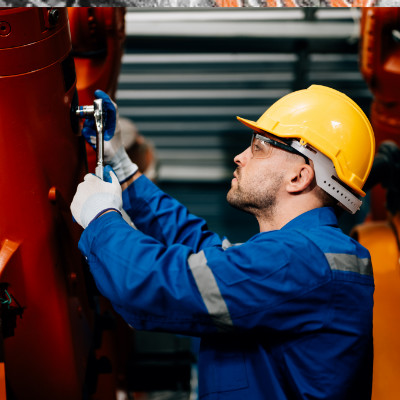
Before using a stripper, it is necessary to read the product labeling and follow the manufacturer’s instructions for proper application, using personal protective equipment (gloves, goggles, mask) and ensuring adequate ventilation.
At NEOQUIM we manufacture a wide range ofstrippers to be able to remove paint and graffiti on different surfaces.
Other related items:What is the best way to remove graffitiMold and algae remover

 Neoquimito