Knowing how to properly clean surfaces helps reduce the risk of coronavirus transmission.
Currently, the World Health Organization maintains among its recommendations to the population to combat the spread of Covid-19 the practice of systematic hand hygiene as well as thorough cleaning and disinfection of all types of surfaces and environments.
Covid-19 is an extremely contagious virus and has a fairly long surface permanence time or “lifespan”.
Based on its characteristics, it has been demonstrated that to achieve correct eradication it is necessary to intensify the cleaning of all types of areas, especially those surfaces that receive the most contact.
To reduce or eliminate the microbiological load on these surfaces and maintain them in proper condition, two clearly differentiated processes can be carried out based on the percentage of pathogens eliminated:
- On one hand, a process of cleaning or sanitization can be performed using water and soap, which eliminates up to 80% of the microorganisms or pathogens present on the surface.
- On the other hand, a process of disinfection can be carried out, in which up to 95% of contaminants on the treated surface are eliminated, achieving surfaces that are completely safe against the transmission of infections or diseases. This type of procedure uses chemical compositions that, in addition to cleaning, eliminate the majority of germs.
It should be noted that the disinfection process should generally be complementary to the cleaning process, as disinfectant compounds show greater antimicrobial activity when surfaces have been previously cleaned.
To optimize the use of this type of product, the following considerations should be taken into account:
- Disinfection is not a substitute for cleaning; when there is visible dirt on a surface, the correct approach is to clean first and then proceed to disinfect properly.
- Disinfectants act through direct contact, so they only act on the surface or environment where they have been applied.
- They require a minimum contact time that typically ranges between 5 and 10 minutes. If this time is not respected, the disinfection process will not be effective.
- They can be concentrated (which need to be diluted) or ready-to-use (without dilution). In the first case, the dosage recommended by the manufacturer must be respected. Only in this way will you achieve the best results with the minimum amount of product.
- And for situations requiring exhaustive disinfection, it is recommended to finish the process with paper rather than reusable cloths, thereby reducing the risk of bacterial spread.
Furthermore, it should be emphasized that to achieve a hygienically safe environment free of pathogens, it is not enough to disinfect the most common areas; attention must also be paid to those areas known as “the great forgotten ones”:
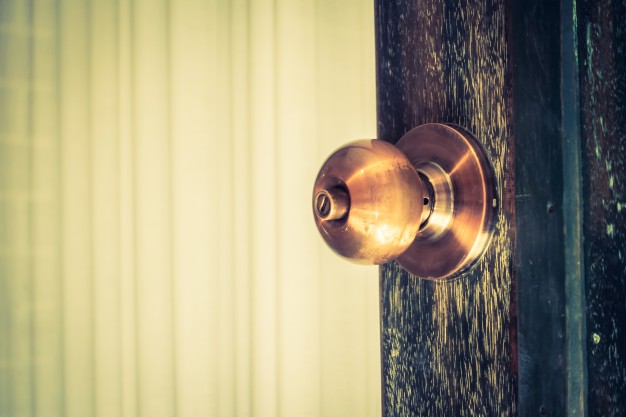
- Door knobs and handles, windows, drawers, cabinets, vehicle interiors, railings, handrails, light switches, buttons, door intercoms, elevators, armrests, chairs… etc.
Finally, to answer the frequent question: “What product should I use?”:
- To disinfect most common areas, you can use a mixture of 20 ml of bleach in 980 ml of water.
- Spray the mixture on the surface,
- Let it act for 5 minutes and, after rinsing, you will have a completely disinfected surface.
- To achieve professional-level cleaning, you can also use products composed of alcohol-based mixtures, or professional surface disinfectants.
For safety, cleaning products and disinfectants should be used with gloves to protect your hands.
Proper cleaning is part of prevention. Together we will stop this pandemic.
Similar articles:

 Neoquimito