






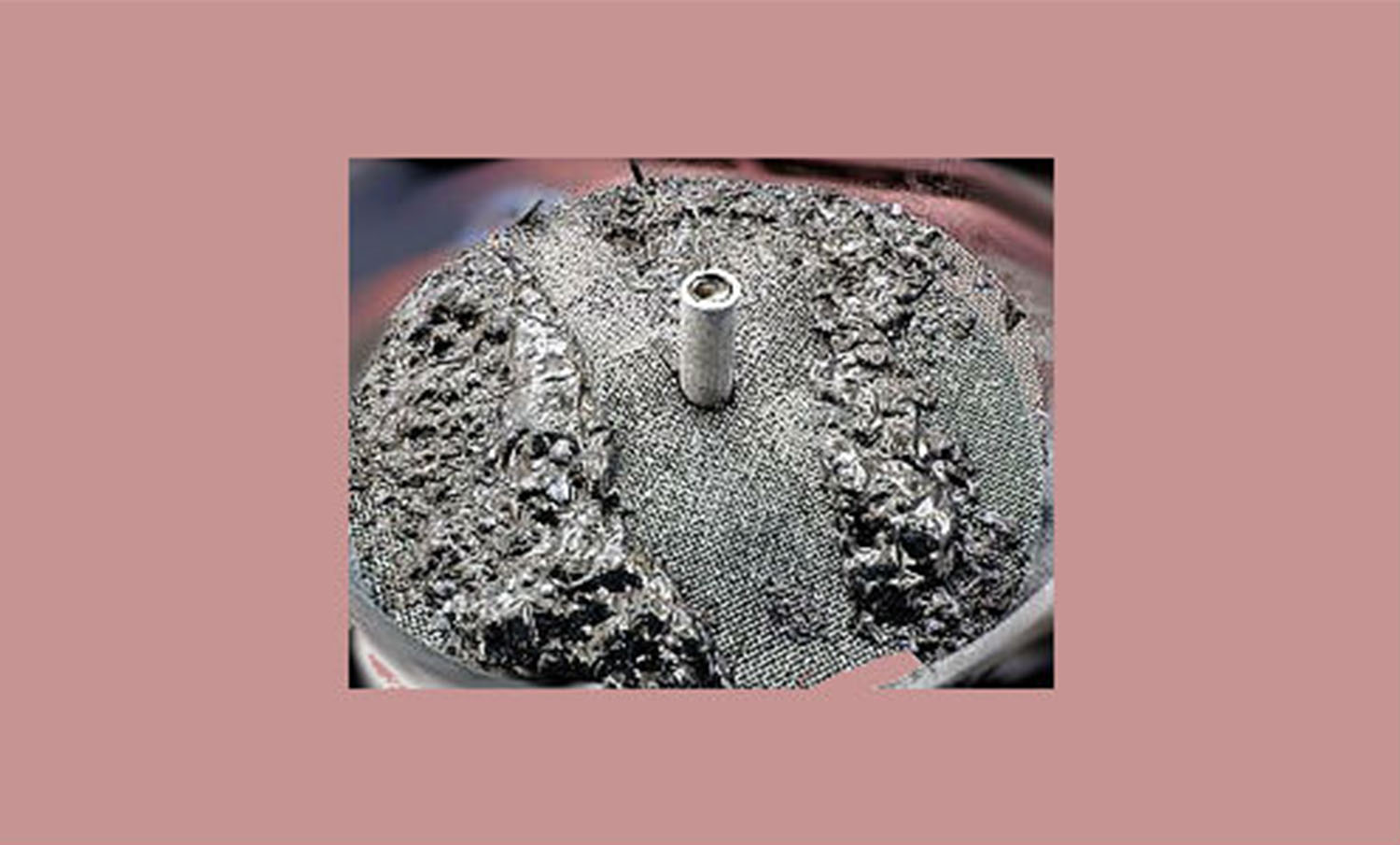
Fuel Can Contain Bacteria
Current gas oils, due to European legislation requirements, are more prone to containing bacteria.
WHY?
- Due to the requirement to reduce sulfur levels in gas oil, which leads to reduced antibacterial capacity.
- The increase in biodiesel in fuels causes increased condensation and therefore more water in the gas oil. This accumulation of water in the fuel combined with heat from engines or temperature changes creates the ideal environment for the growth of microorganisms such as bacteria and fungi.
RESULT: GAS OIL CONTAMINATION
These microorganisms are capable of using the fuel as their food source and therefore their growth can cause obstructions and corrosion in fuel storage systems and also in pumping systems.
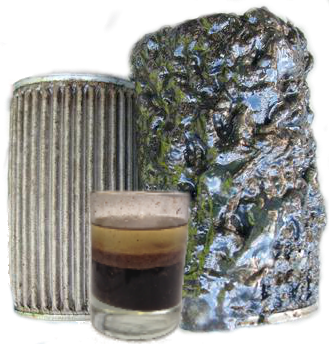
Microbial contamination of the tank presents itself as sludge, viscous filaments, suspended particles, surface foam… potentially leading to problems such as foul odors.
CONSEQUENCES OF CONTAMINATED GAS OIL
Continuous filter obstruction problems. Filters tend to become clogged, causing low performance in engines and installations or triggering system failures.
Problems in storage tanks. Bacteria attack the materials of tanks, pipes and metal components of dispensers.
SOLUTION
Use of biocides to inhibit microbiological development.
SOLUTION – NEOQUIM: Cetaplus Bacter




 Neoquimito