





Nowadays the word nanotechnology is not strange to hear but it is difficult to understand…
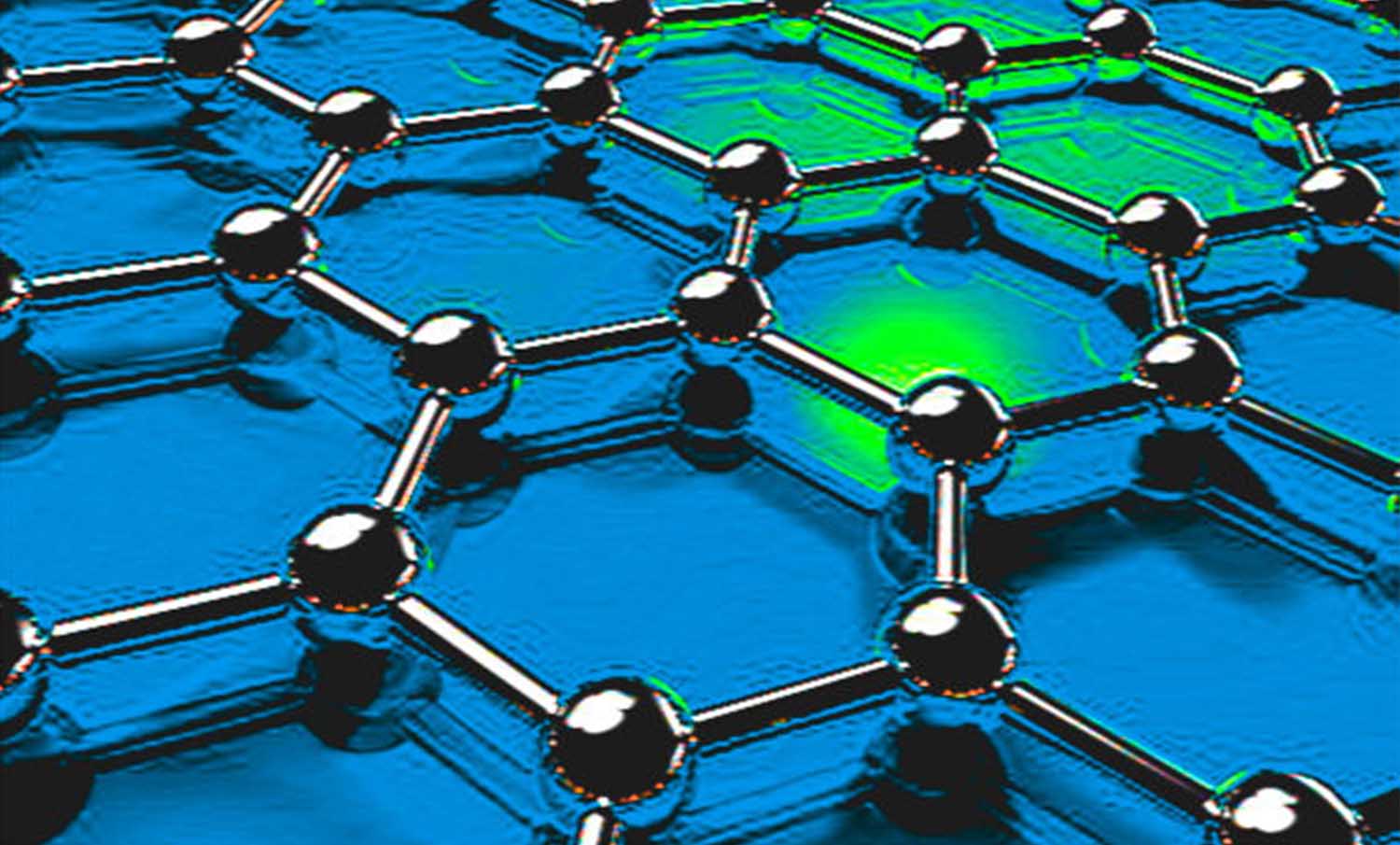
Nanotechnology is the science that develops at the level of atoms and molecules, incorporating knowledge from chemistry, biology, physics and many other disciplines, to solve different problems in various fields such as:
- Environment, Energy, Medicine, Construction, Textiles, Food, etc.
It works with or manipulates atoms or molecules whose size is impossible to imagine due to being extremely tiny.
If we try to imagine the size of a nanometer, we can use a human hair as an example; its thickness could be equivalent to approximately 80,000 nanometers, which means that a nanometer is “invisible”…
A nanometer is to a millimeter what a millimeter is to a kilometer and we detail the scale:
Kilometer (Km): 1,000 meters (103 meters)
Hectometer (Hm): 100 meters (102 meters)
Decameter (Dam): 10 meters (101 meters)
METER (M)
Decimeter (dm): 0.1 meter (10-1 meters)
Centimeter (cm): 0.01 meter (10-2 meters)
Millimeter (mm): 0.001 meter (10-3 meters)
Micrometer (µm): 0.000001 (10-6 meters)
Nanometer (nm): 0.000000001 (10-9 meters)
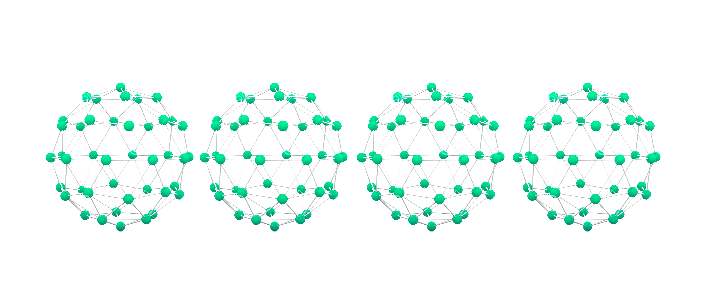
Nanotechnology requires knowledge in chemistry, computing and medicine, among other sciences. It is currently a reality with significant future potential in different fields, among which we highlight the following:
- Chemistry: the chemical industry already has many nanotechnological products, among which we can highlight anti-fouling protectors, graffiti-resistant products, adhesives, glass, lime, fingerprint protection… These new products protect treated surfaces by considerably delaying the appearance of dirt and facilitating subsequent cleaning.
- Health/Medicine: nanoscopic probes, molecular biosensors, nanocarriers for pharmaceuticals, nanorobots capable of reconstructing tissues, repairing fissures or destroying cancer cells are some of the applications that nanomedicine is working on.
- Environment: nanotechnology works to improve the environment through nanosensors that detect contaminated areas and remediate them. Through nanomaterials, nanotubes and nanofilters, among others, work will be done to eliminate toxic substances, waste, bacteria and viruses.
- Construction: in this sector the most innovative developments will be seen through nanotubes and nanofibers achieving more resistant, lightweight, durable materials with the ability to measure the state of cracking, wear and deformation produced throughout their useful life. It will also be possible to see intelligent surfaces built from self-cleaning and self-repairing nanomaterials.
- Textiles: smart textiles will be the revolution in this sector with nanochips that will control temperature to prevent perspiration. Nano-coatings will be odorless, waterproof, stain-resistant, contain antimicrobial effects and greater mechanical and ballistic resistance.
- Cosmetics: nanotechnology is also focused on developing beauty products; one of the most studied products in this sector is possibly sunscreen creams with nanoparticles that will act as sun filters to block ultraviolet rays, creams that repair imperfections, anti-wrinkle creams…
As we are already seeing, nanotechnology has arrived and its future is infinite. It is very important that it develops responsibly. It can be the solution to a large number of humanity’s problems.
But as with everything, an error or misuse could affect us in such a way that it could even take society to a much worse world than the one it currently inhabits.
Responsible nanotechnology can achieve a world much better than anyone could have imagined.
This has just begun, there is much more to study.


 Neoquimito