






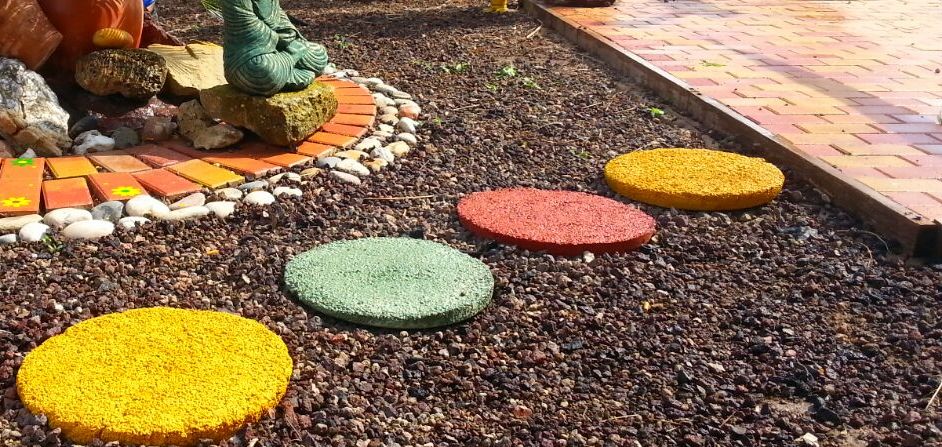
Tree pits are spaces or structures that are placed mainly around the base of trees in urban areas that help protect the roots and ensure an adequate environment for their growth. They are usually made of materials such as recycled rubber, concrete, resins, or synthetic materials. These coverings help improve aesthetics, reduce soil compaction, control erosion, and allow pedestrian passage, thus preventing the soil from being exposed and neglected. In addition to their practical function, there are various additional applications and benefits: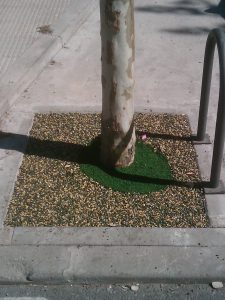
- Root protection
- Tree pits are placed to protect the base of the tree, allow its watering, and, at the same time, improve the integration of trees into the urban environment. Avoiding damage to tree roots due to pedestrian or vehicle traffic, by providing a defined and safe space for their growth.
- Improvement of water infiltration
- They facilitate the infiltration of rainwater and irrigation into the roots, preventing stagnation, reducing water evaporation, and promoting proper nutrient distribution.
- Prevention of erosion
- They help reduce soil erosion around the tree, especially in sloped areas, by keeping the soil contained and protected.
- Aesthetics and urban beautification
- There are designs of decorative ornaments that improve the appearance of the urban environment, adding a touch of design and color that complements the architecture of the surroundings.
- Weed control
- By covering the area around the tree, it helps control the growth of unwanted weeds, avoiding the use of persistent herbicides such as glyphosate, contributing to soil non-contamination.
- Sustainability and temperature reduction.
- Tree pits help reduce the urban heat island effect by allowing the natural cooling of the surface and improving air quality.
- Pedestrian safety
- They prevent pedestrians from tripping over exposed roots or uneven ground around the tree, which is common in heavily trafficked areas.
- Separation and design of urban green spaces
- They are used as boundaries for green areas in urban environments, serving as a visual and practical separation between paved areas and vegetation.
In some cities, tree pits are also used as places to plant shrubs, flowers, or low vegetation, helping to beautify the area and promote urban biodiversity. Tree pits are increasingly used in green infrastructure projects, as they contribute to improving the environmental quality of cities, reducing the depletion of natural resources, and enhancing the sustainability of parks and gardens. To install tree pits, you need: – An adhesive that compacts the material. – One that allows water drainage. – With excellent weather resistance. If you want to know the products that Neoquim manufactures for tree pits,click here.




 Neoquimito