




One of the most unknown, but critical problems for vehicles is the accumulation of ferodo particles in mechanical and braking systems. These particles, mainly derived from brake pad wear, contain metals such as iron, copper, and other abrasive materials that, when accumulated, generate a series of complications both in vehicle performance and maintenance. Ferodo particles are microscopic and have highly abrasive properties. We list the main problems they cause: Body deterioration: Ferodo particles represent a significant threat to vehicle bodies. Although they are usually more visible on the wheels and areas near the braking systems, their reach can extend to other exposed surfaces, causing problems such as:
-
-
-
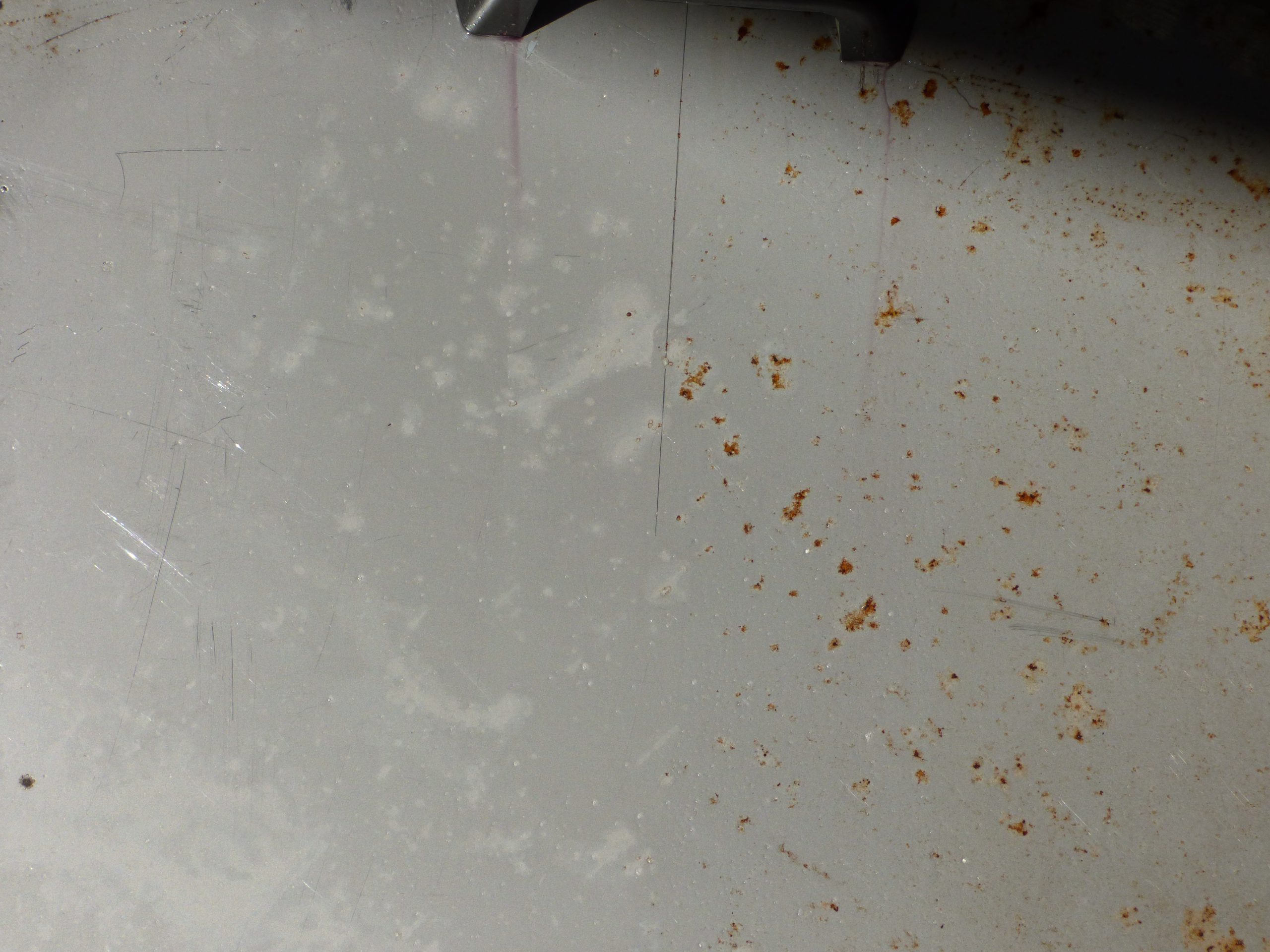
- Accelerated corrosion: Ferodo particles contain metallic components such as iron and copper, which, when in contact with moisture and oxygen, generate accelerated electrochemical reactions. This leads to the rapid formation of rust on painted and metallic surfaces of the bodywork.
- Micropores in the paint: The particles embed themselves in micropores and cracks in the paint, initiating corrosion processes from the inside. Over time, these areas expand, creating visible rust spots and compromising the integrity of the protective layer.
- Hard-to-remove stains: Ferodo particles adhere firmly to the paint and create dark stains, difficult to remove with conventional washes. These stains not only affect aesthetics, but if left untreated, continue to oxidize and spread.
- Long-term damage: The progressive accumulation of ferrous residues can cause permanent discoloration and premature wear of the varnish layer, leaving the paint exposed to environmental elements.
- Loss of shine and smoothness: Metallic particles act like microscopic sandpaper, scratching the surface and reducing the paint’s natural shine. This abrasive effect not only deteriorates the vehicle’s appearance, but also facilitates the adhesion of other contaminants such as tar, tree sap, and bird droppings, worsening the situation.
-
-
-
Corrosion and oxidation:
Metallic particles tend to adhere to exposed metal surfaces, promoting oxidation reactions. Over time, this generates corrosion, weakening critical components such as brake discs, calipers, and other metal parts.
-
Decrease in Braking Efficiency:
The accumulation of ferodo residues in braking systems increases the risk of crystallization on the discs and pads, decreasing effective friction and, therefore, braking capacity.
-
Premature Component Wear:
Metallic residues act as abrasive agents that accelerate the wear of moving components, affecting the lifespan of elements such as bearings, axles, and suspension systems.
These problems can be prevented with preventive maintenance and below we explain how:

 Neoquimito