



In the construction and building maintenance sector, protection against moisture is a crucial factor to ensure the longevity and aesthetics of structures.Water repellents are products designed to prevent the harmful effects of water on a wide range of materials.In this technical article, we are going to explain what water repellents are and when to use them, as well as the different types that we can find.
What are water repellents?
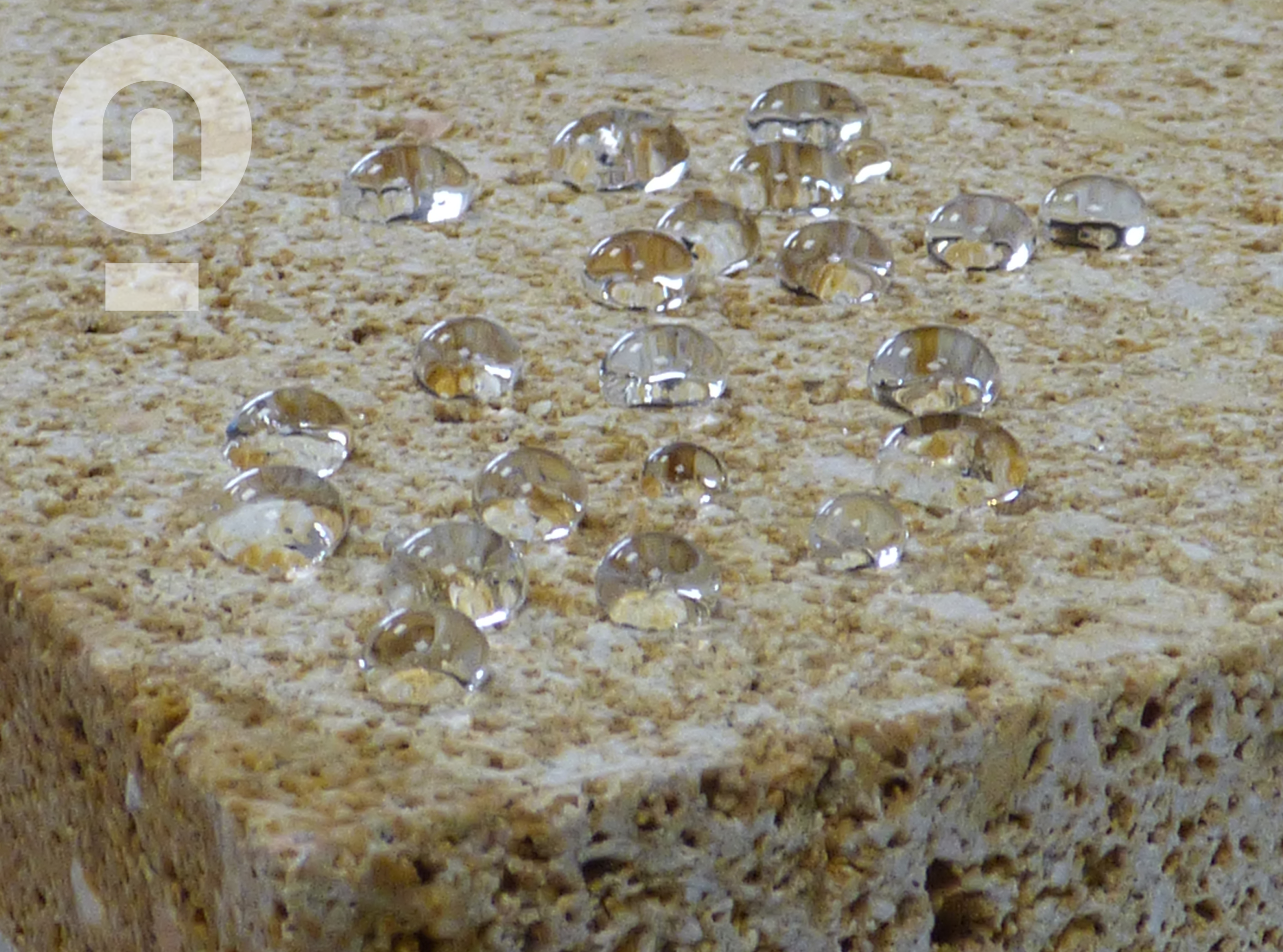
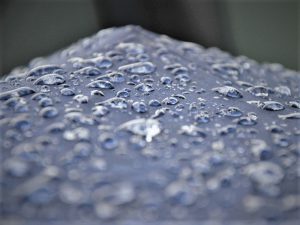
They are products applied to porous materials with the main objective of reducing their water absorption capacity, thus acting by creating a hydrophobic barrier within the pores of the material, making the liquid water slide over the surface instead of being absorbed.An important feature is that they allow the material to continue breathing, that is, that water vapor can exit from the inside, thus preventing the accumulation of internal moisture.
Why use water repellents?
The application of water repellents offers several benefits:
- Protection against moisture: The main objective is to reduce the capacity of materials to absorb water, preventing the associated damage.
- Greater durability: By minimizing the action of water, the lifespan of materials and structures is prolonged.
- Aesthetic improvement: The appearance of stains, efflorescence, and the growth of microorganisms is avoided, maintaining the original appearance of the surfaces.
- Ease of cleaning: Surfaces treated with water repellents tend to repel dirt, making their cleaning and maintenance easier.
- Reduction of maintenance costs: By preventing damage and facilitating cleaning, long-term expenses associated with maintenance and repair are reduced.
- Improvement of thermal insulation (indirectly): By avoiding water saturation in porous materials, their insulating capacity is maintained, as water is a good thermal conductor.
When is it necessary to apply water repellents?
The application of water repellents becomes essential in various situations where exposure to water can compromise the integrity and appearance of materials.Some of the most common applications:
- Facades and exterior walls: They protect against rainwater penetration, preventing problems such as the appearance of efflorescence, the growth of mold and algae, paint deterioration, and flaking of coatings.
- Terraces and balconies: They prevent leaks that can damage the underlying layers, cause dampness in the ceilings of lower floors, and deteriorate the pavement.
- Roofs and coverings: Reduces water absorption, minimizing the risk of leaks, saturation of insulating materials, and ice formation in cold climates.
- Exterior pavements: Protects against stains, water erosion, and the freeze-thaw cycle, prolonging the lifespan of the pavement.
- Natural stone, exposed brick, and other porous materials: Reduces water and dirt absorption, facilitating cleaning and maintaining their original appearance.
- Interiors (in humid areas): In bathrooms, kitchens, and other areas exposed to moisture, water repellents can protect walls and floors from water absorption and microorganism growth.
Types of water repellents:
1. According to their chemical base:
- Siloxane/silane water repellents: They are the most common and versatile. They penetrate deeply into the material and chemically react with it, creating an invisible hydrophobic barrier without significantly altering breathability. They are suitable for a wide range of porous materials such as concrete, brick, natural stone, and mortar.
- Acrylic water repellents: They form a surface water-repellent film. They offer good weather resistance but may slightly reduce the material’s breathability. They are suitable for less porous surfaces or as an additional protective layer over other treatments.
- Fluorinated water repellents: They offer excellent water and oil repellency, as well as being stain-resistant. They are ideal for areas exposed to dirt and grease, such as exterior pavements and facades in urban environments. They are usually more expensive.
- Resin-based water repellents: They form a thicker layer and can offer additional properties such as abrasion resistance. They are usually less breathable and are used in specific applications where greater surface protection is required.
2. According to their finish, mainly in two categories:
-
Water repellents without tone alteration (invisible or natural finish) :
- Characteristics : These are the most common and in-demand water repellents. They are formulated to penetrate the material without leaving a visible surface layer. Their purpose is to protect against moisture without changing the original appearance of the substrate.
- Applications : Ideal for exposed brick facades, natural stone, architectural concrete, tiles, and any surface where maintaining the original appearance is desired.
-
Water repellents with “wet tone” or “color intensifier” effect :
- Features: Some water repellents are specifically formulated to slightly intensify the color of the material, providing an appearance similar to what the surface would look like if it were wet.
- Functioning: These products may contain certain additives or resins that, when penetrating the material, enhance its natural pigments, slightly darkening the tone and often adding a slight shine or color saturation.
- Applications: They are often used on exterior pavements of natural stone, fired clay, or ceramic tiles where the aim is to enhance their color and give a richer and more vivid appearance. They can also be used to slightly disguise stains or differences in tone on aged surfaces.
- Considerations: It is important to keep in mind that this effect can be permanent and significantly alter the original appearance of the material. It is always recommended to test the product on a small and inconspicuous area before applying it to the entire surface to ensure the desired result.
Considerations to take into account before choosing a water repellent:
- Type of material to treat: The porosity, composition, and finish of the material are determining factors.
- Conditions of exposure: The intensity of rain, ambient humidity, sun exposure, and the presence of pollutants will influence the choice.
- Required breathability level: It is important to ensure that the water repellent allows the evaporation of the internal moisture of the material to avoid condensation problems.
- Expected durability: Some water repellents offer greater resistance to degradation by UV rays and other environmental factors.
- Method of application: Ease of application and the necessary equipment are important practical considerations.
- Aesthetic impact: Most water repellents are invisible after application, but some may slightly alter the appearance of the material.
Conclusion:Water repellents are a fundamental tool for the protection and conservation of buildings.
Their correct selection and application can prevent a wide range of moisture-related problems, prolonging the lifespan of the materials and maintaining their aesthetics.Understanding the different types of water repellents available will allow proper decisions to be made to ensure the durability and beauty of the surfaces to be protected.Investing in proper waterproofing is a proactive measure that translates into long-term savings and the preservation of the value of buildings. Below we show you some of thewater repellents that we manufacture at Neoquim. https://youtu.be/0zs9DzTS9-0
Other similar articles:
5 Solutions against moisture problems.Tips for starting up your swimming pool

 Neoquimito