





Technical Guide: The Essential Additives in Industrial Maintenance
In industrial maintenance, the difference between an expensive repair and smooth operation often lies in a few milliliters of advanced chemistry.
Additives are not mere supplements; they areperformance enhancers that modify the properties of fluids to meet the extreme demands of modern machinery.
For the professional managing assets, understanding which additive to use is the key to reducing the cost of their equipment. Below, we analyze the most commonly used additives and their real impact on the industry.
1. Extreme Pressure (EP) and Anti-Wear Additives
They are the “bodyguards” of mechanics. In gears, bearings, and transmissions that carry heavy loads, the conventional oil film can thin out until it disappears.
-
XRTAG31 How they act: They chemically react with metal surfaces to form a sacrificial protective layer that prevents direct metal-to-metal contact.
-
XRTAG39 Professional benefit: Drastic reduction of friction heat and metal fatigue. This translates into fewer breakdowns and an extended lifespan of components.
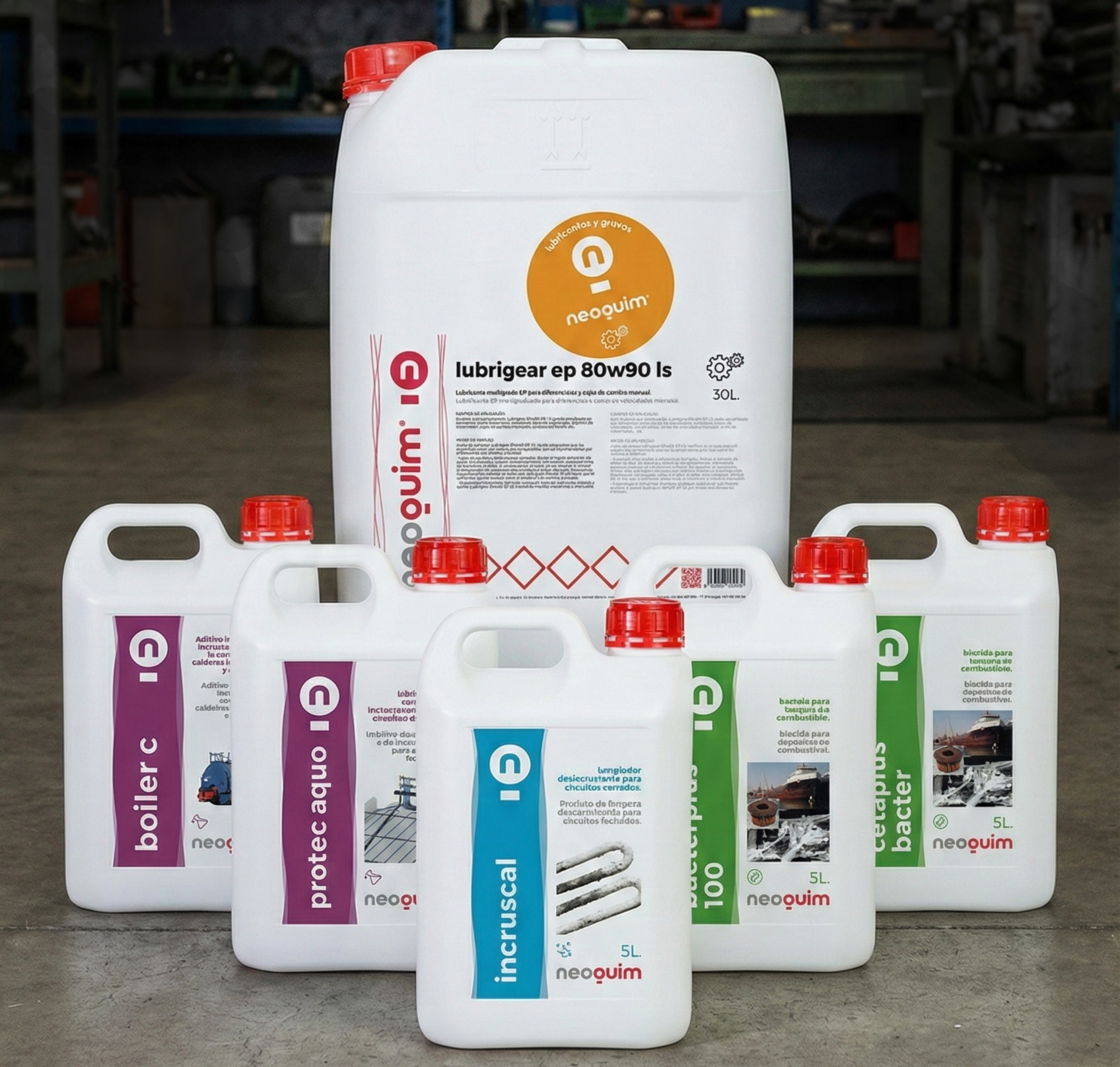
LUBRIGEAR 80W90 EP LS: Multigrade lubricant with extreme pressure additives.
2. Biocides and Stabilizers for Fuels (Diesel)
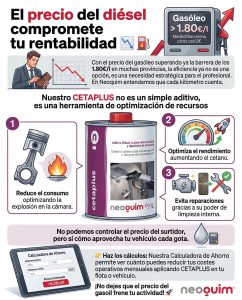
One of the most critical problems in fleet and generator maintenance is fuel degradation, especially with the rise of modern biofuels.
-
The problem: The proliferation of bacteria and fungi (the notorious “slime”) that clogs filters and injectors.
-
The solution: Biocidal additives eliminate microbiological contamination, while stabilizers prevent the oxidation of stored fuel.
-
Added value: Ensures that emergency equipment starts on the first try and prevents manual cleaning of tanks, which is costly and dangerous.
BACTERPLUS 100: Ultra-concentrated biocide for diesel fuel and fuel oil tanks.CETAPLUS BACTER: Fuel enhancer and bactericide additive for Diesel.
3. Corrosion and Oxidation Inhibitors
Water, moisture, and oxygen are the natural enemies of any hydraulic or lubrication system.
-
Function: The inhibitors create a passivating barrier that prevents oxygen from attacking ferrous surfaces. On the other hand, antioxidants prevent the oil itself from “thickening” and forming acidic sludge.
-
Impact on efficiency: An oil that does not oxidize maintains its optimal viscosity, which reduces engine strain and, therefore, theenergy consumption of the plant.
BOILER C: Corrosion inhibitor for boilersPROTEC AQUO: Corrosion inhibitor for water circuits.
4. Additives for Thermal Circuit Treatment
In boilers and cooling towers, chemical maintenance is a matter of safety and savings.
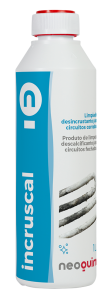
- Antiscalants:They prevent mineral salts (calcium, magnesium) from crystallizing on the walls of exchangers.
-
Technical data: A layer of just 1 mm of scale in a boiler can increase fuel consumption by10%. The use of specific additives is the most cost-effective way to maintain 100% heat transfer.
INCRUSCAL: Liquid descaler for closed circuits.FRISER 100 PG: Coolant antifreeze for thermal circuits.
The importance of Certification and Concentration
As manufacturers withISO 9001 andISO 14001 certifications, at NEOQUIM we understand that the professional seeks effectiveness.
A highly concentrated product not only reduces the cost per application once diluted, but also minimizes environmental impact by generating less packaging waste and optimizing transportation. Technical advice is, at this point, the final additive that ensures each chemical solution is applied precisely to solve a real problem.
Other similar items:


 Neoquimito